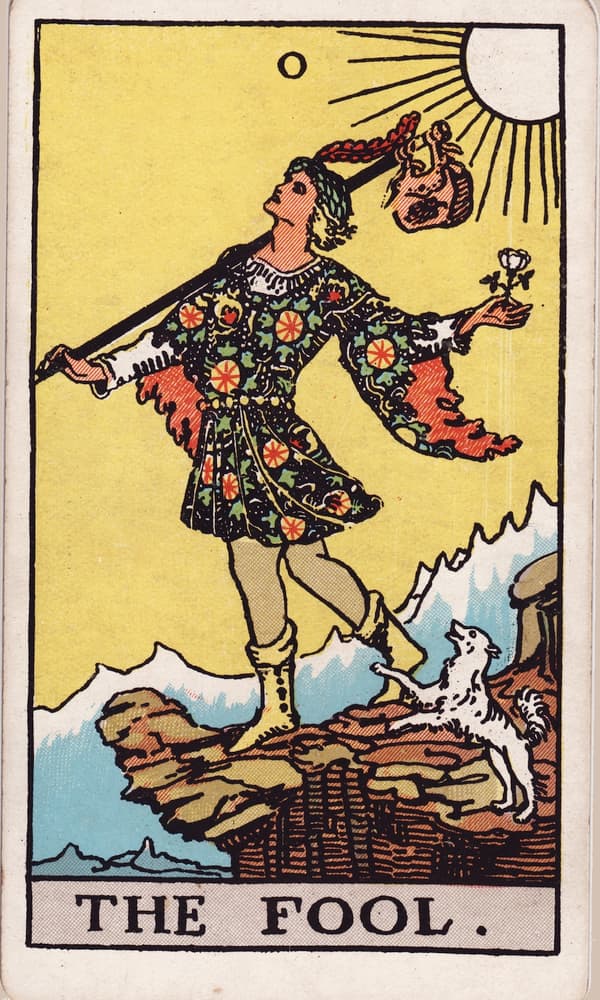
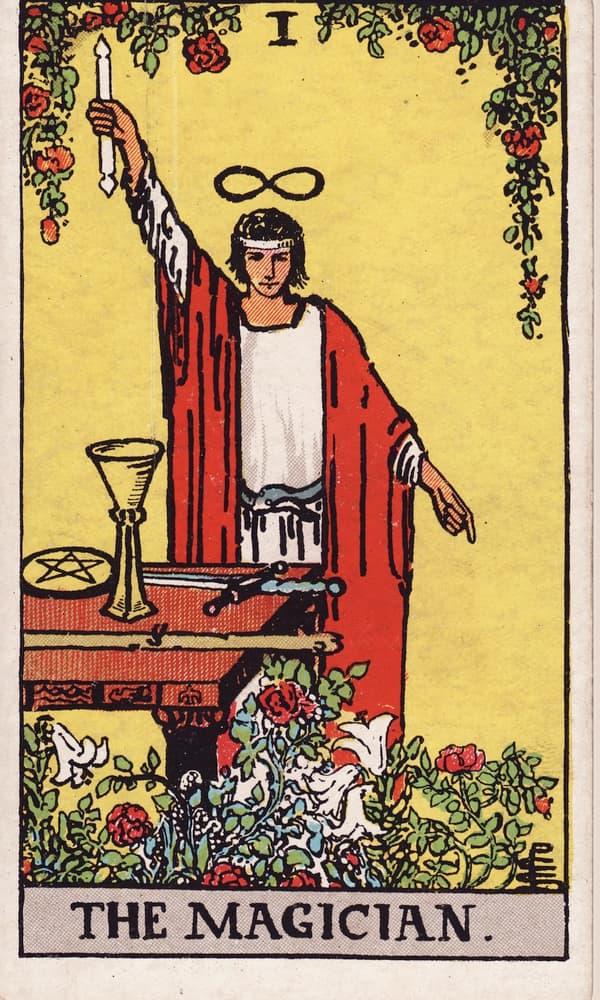
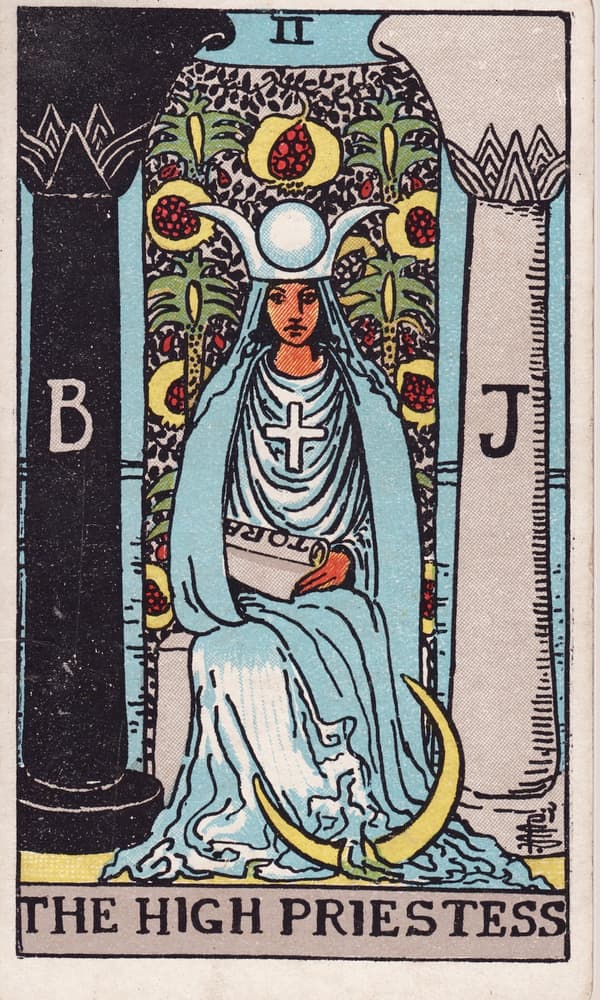
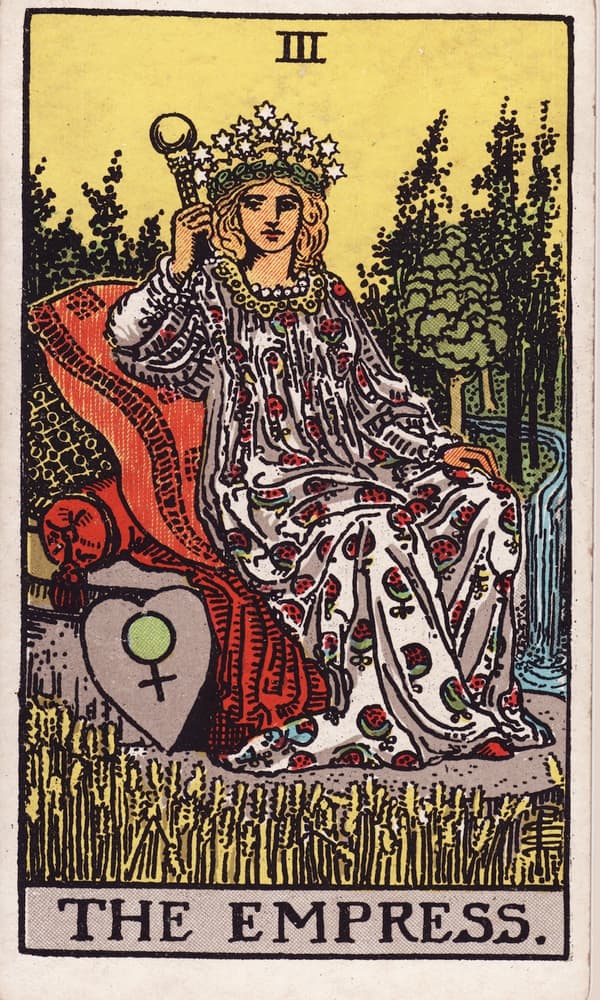
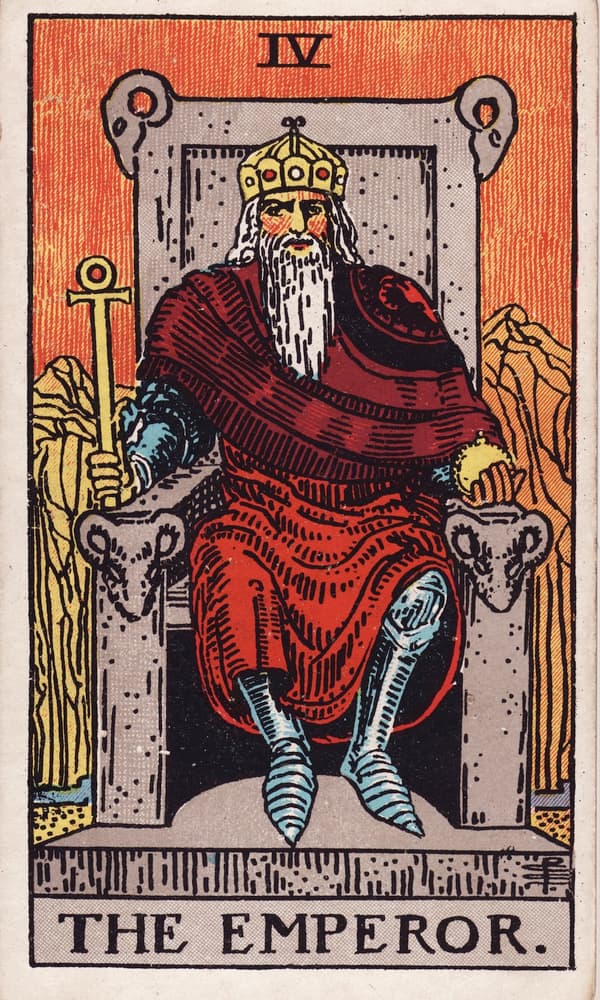
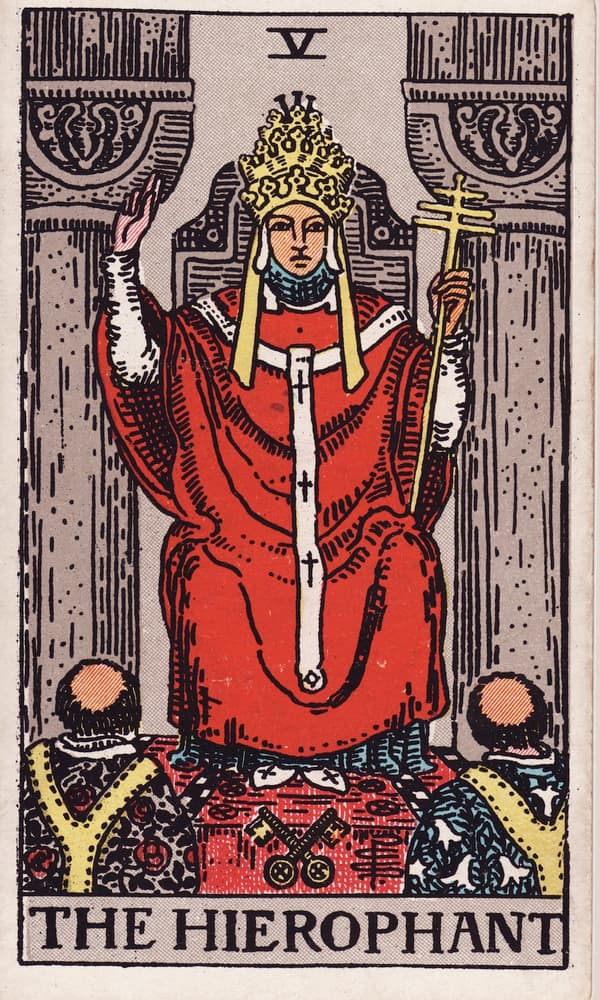
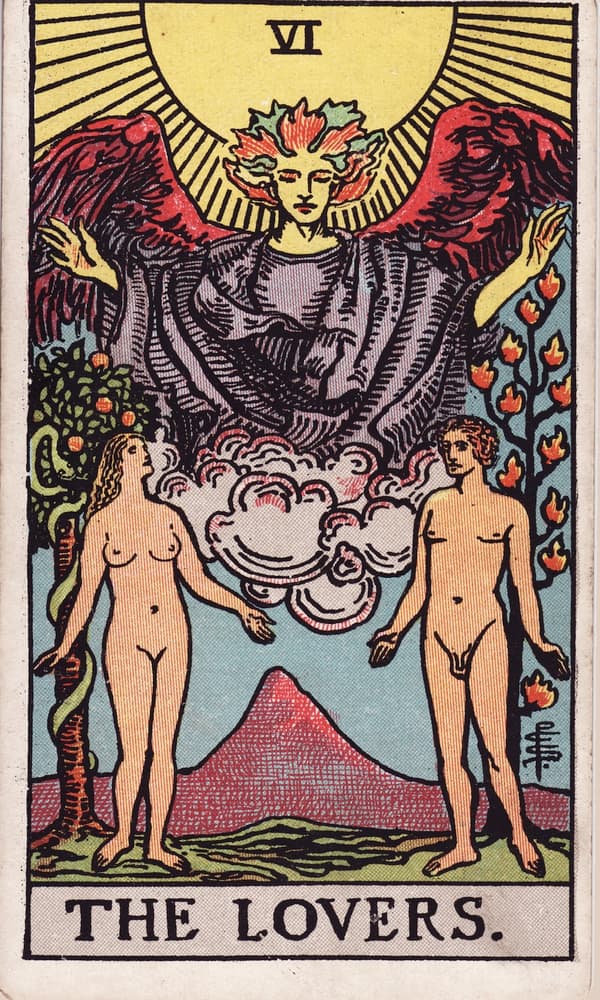
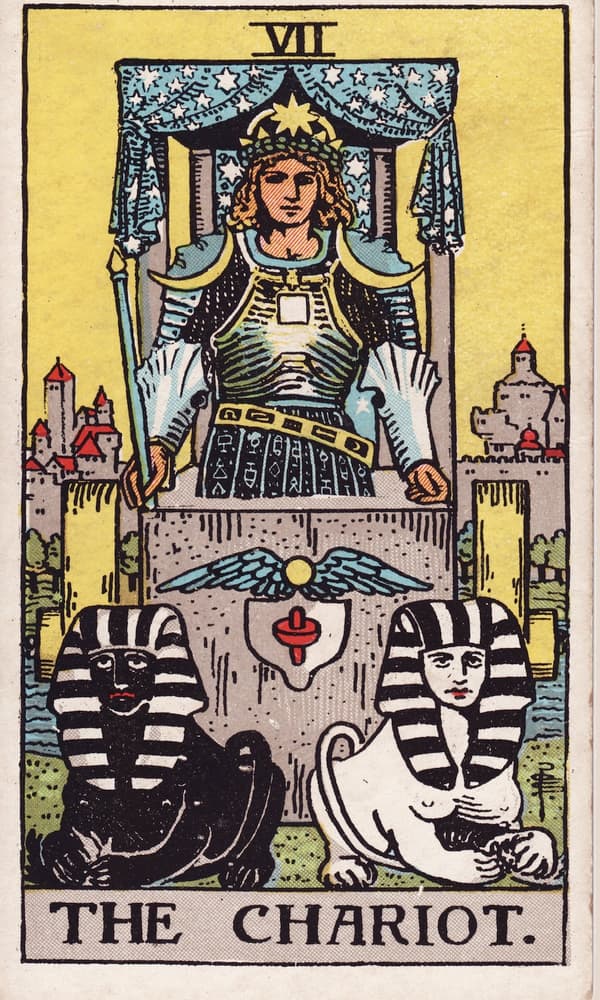
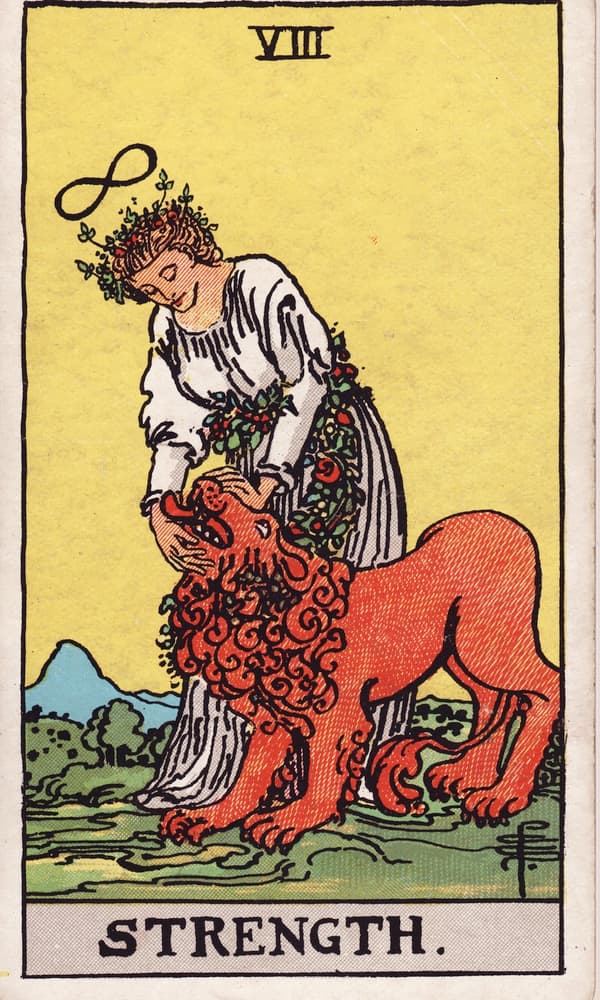
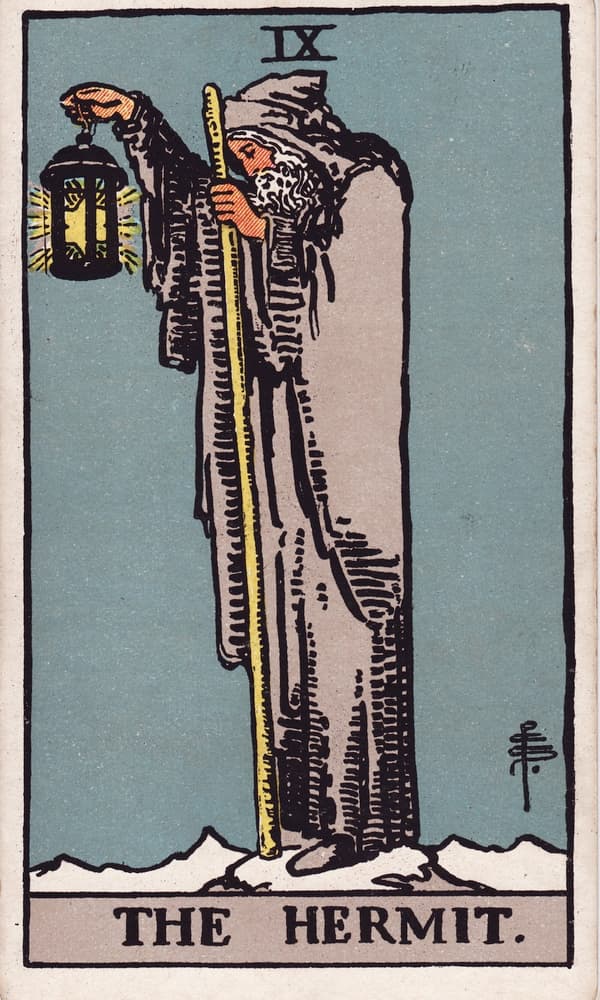
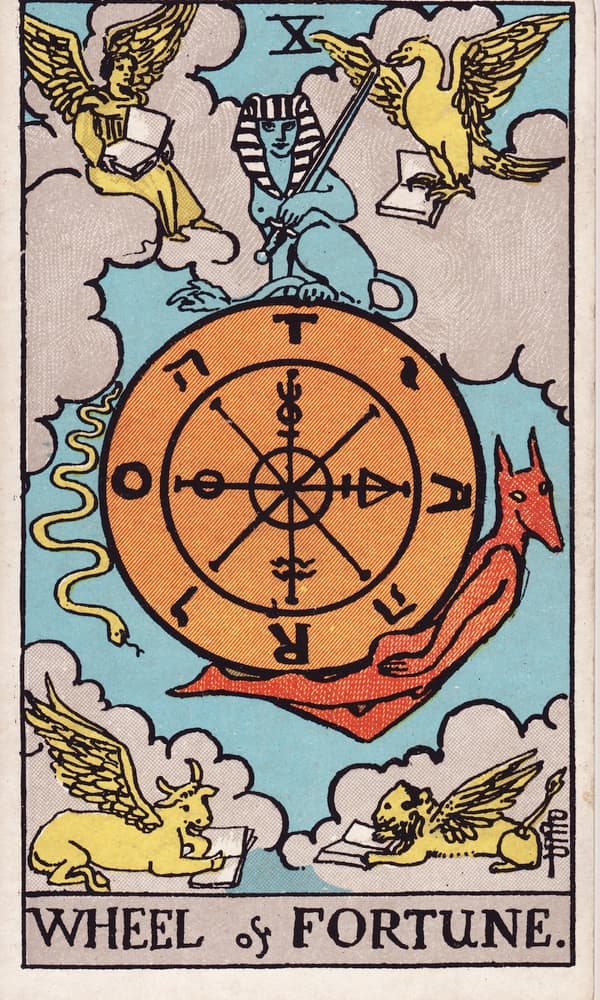
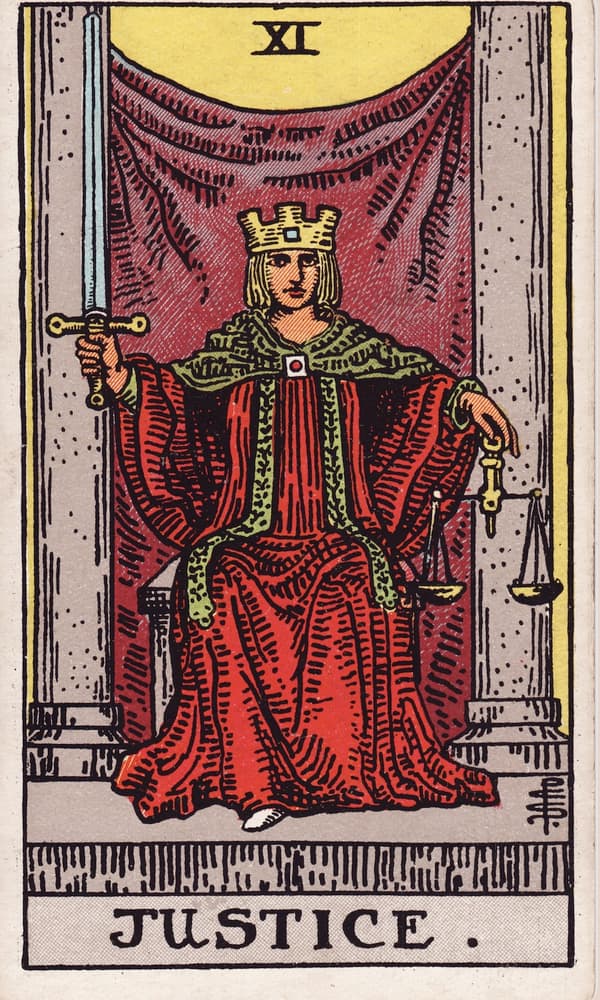
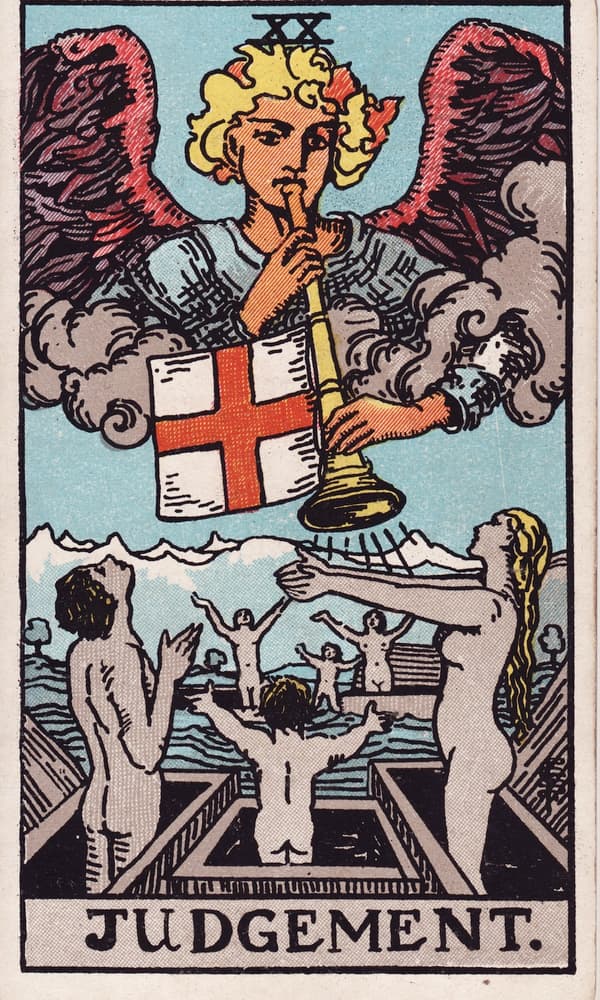
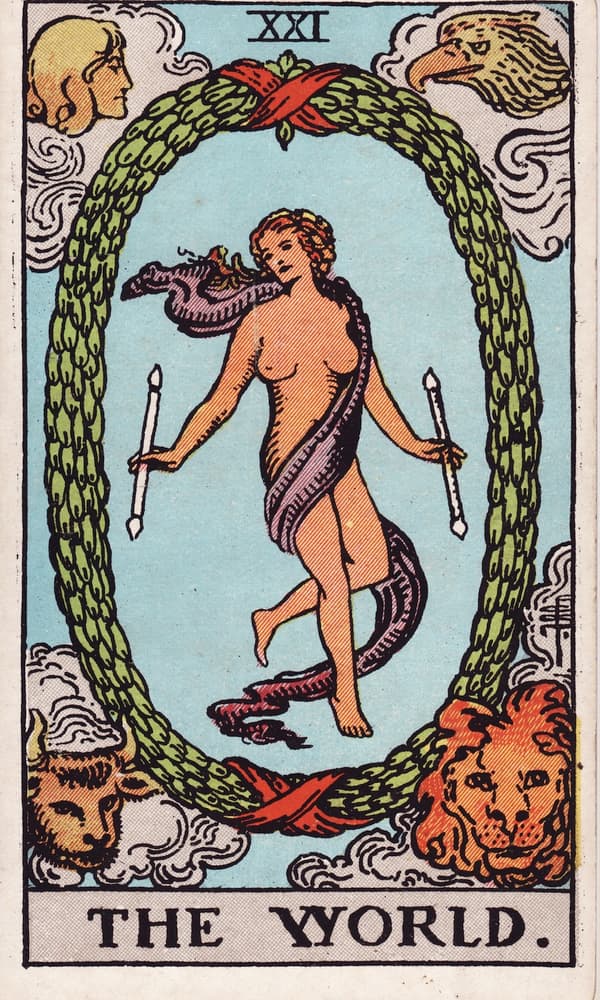
Tarot card combinations: what two Major Arcana mean together
By Clara Anil, the pen name of the Minha Tiragem editorial team · Published on
A tarot combination is two cards read as a single sentence. To interpret one, look at four things: the order the cards came out in, the element of each, the distance between them in the Fool's Journey and the sum of their numbers. Here are the 231 pairs of the 22 Major Arcana.
The 231 combinations, card by card
Open a card to see its pairs with each of the other Major Arcana.
A card on its own describes a theme. Two cards describe a relationship: a cause and an effect, a problem and a resource, a fear and a way out. That is why experienced readers rarely interpret cards one by one; they read what happens between them.
The method below works for any pair, in any spread. It does not replace the meaning of each card: it organizes what to look at once you already know what each one says.
Say in one sentence what each card means in the position it landed in.
Note the order: the first shows the starting point, the second shows the direction.
Compare the elements: equal ones add up, friendly ones help, contrary ones ask for reconciliation.
Look at the distance between the numbers and at the card their sum makes.
The elements: when two cards help or weaken each other
Every Major Arcanum has an element. Elemental dignities, a method from the Golden Dawn tradition, compare the elements of neighboring cards. Fire and Air are friends, and so are Water and Earth. Fire and Water are contrary, and so are Air and Earth. Fire with Earth and Air with Water are neutral.
Two cards of the same element intensify the theme. Friendly elements make the reading flow. Contrary elements do not make a combination bad: they show tension between two real needs, and the reading becomes more useful once you name both.
The order of the cards changes the story
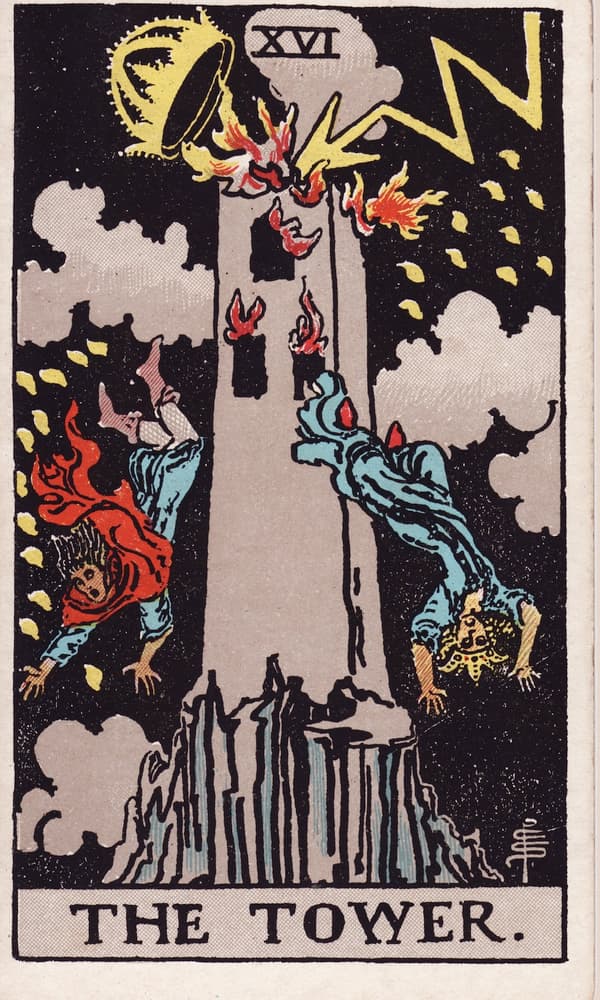
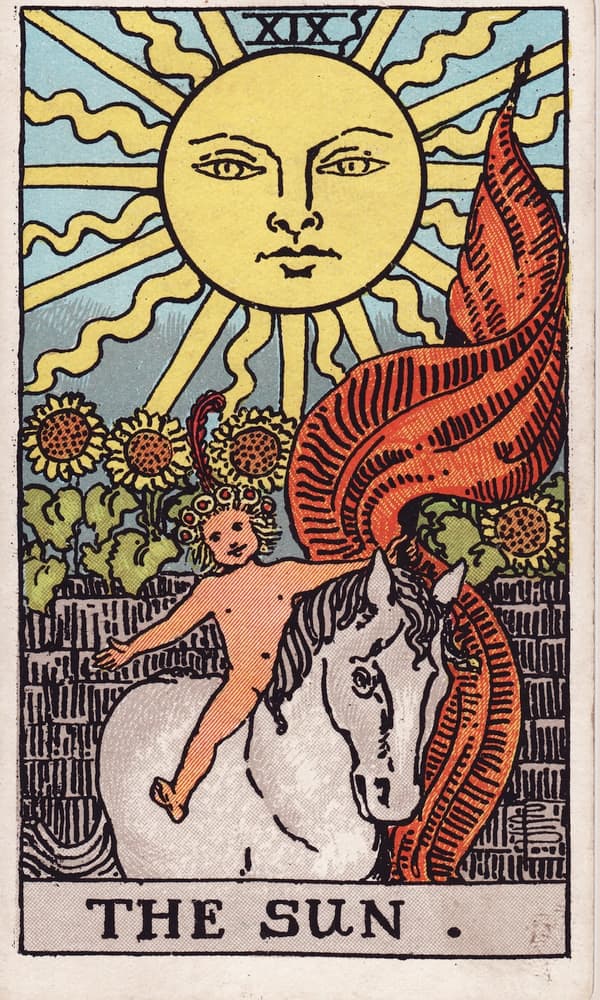
The Tower followed by The Sun speaks of a break that ends in clarity. The Sun followed by The Tower speaks of a good phase that needs a second look. The cards are the same; the story is another.
In spreads with positions, such as past, present and future, the position already gives the order. In a free two-card draw, the first card you turned is the starting point. Each combination page shows both orders side by side.
The Fool's Journey and the constellations
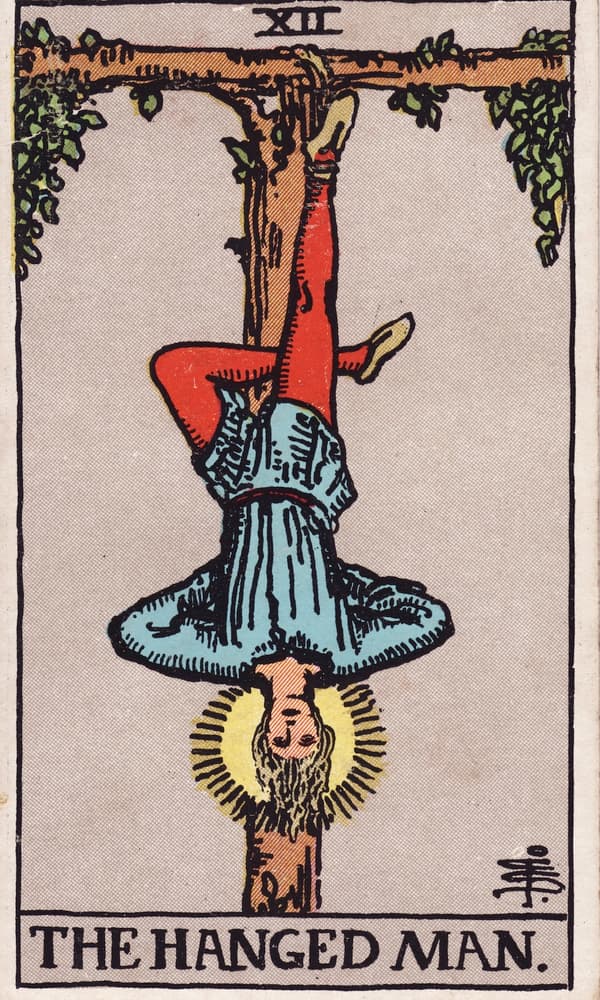
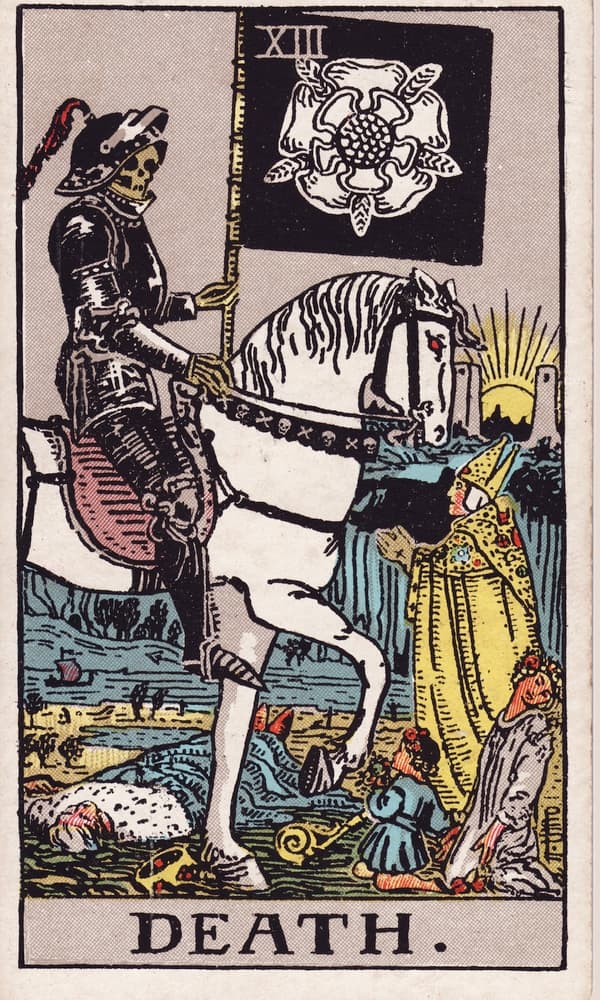
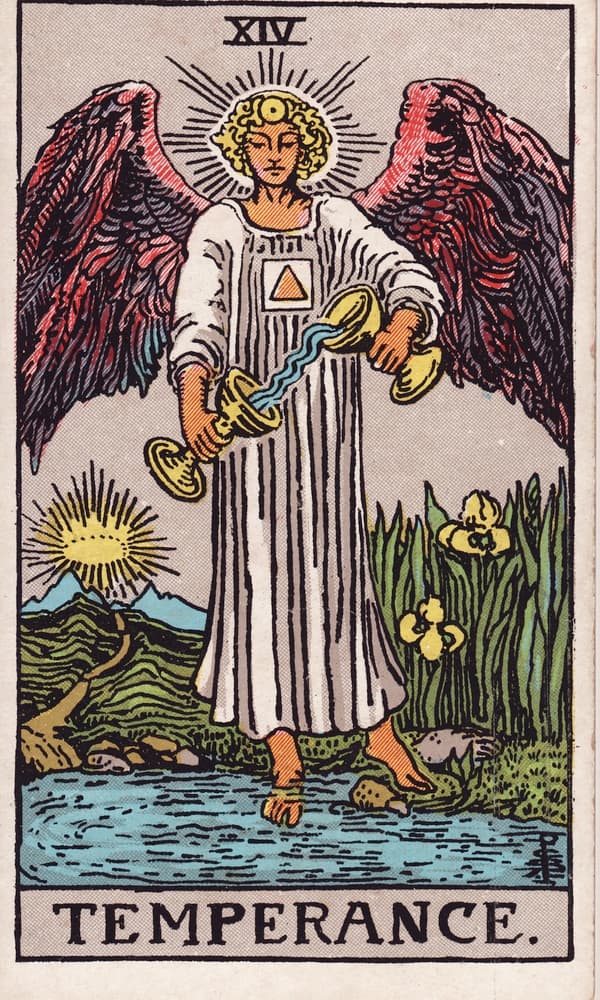
The Major Arcana tell a story in order, from 0 to 21: the Fool's Journey. Cards with consecutive numbers, such as Death (13) and Temperance (14), usually show a passage under way. Distant cards connect different stages of life.
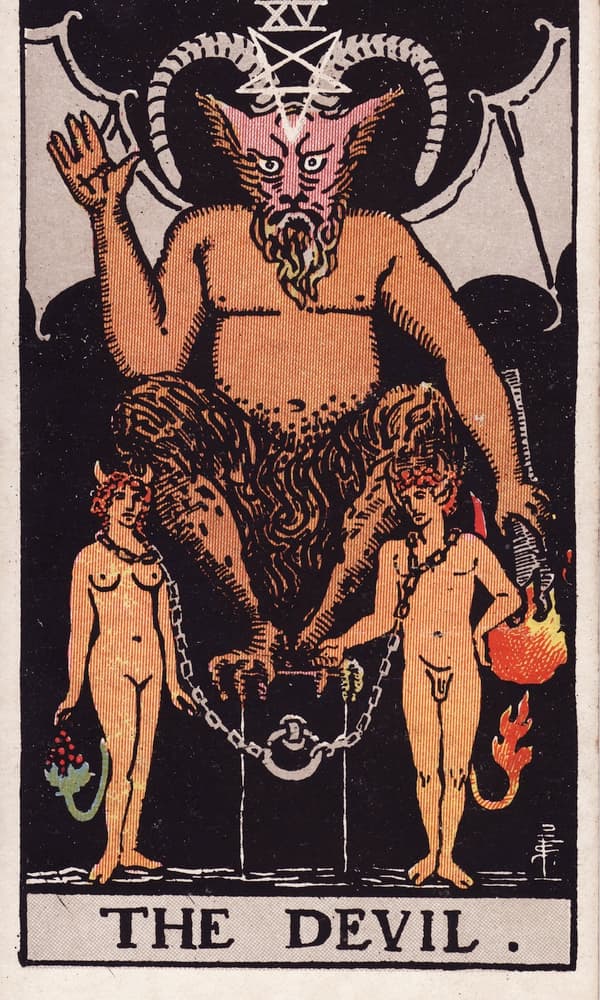
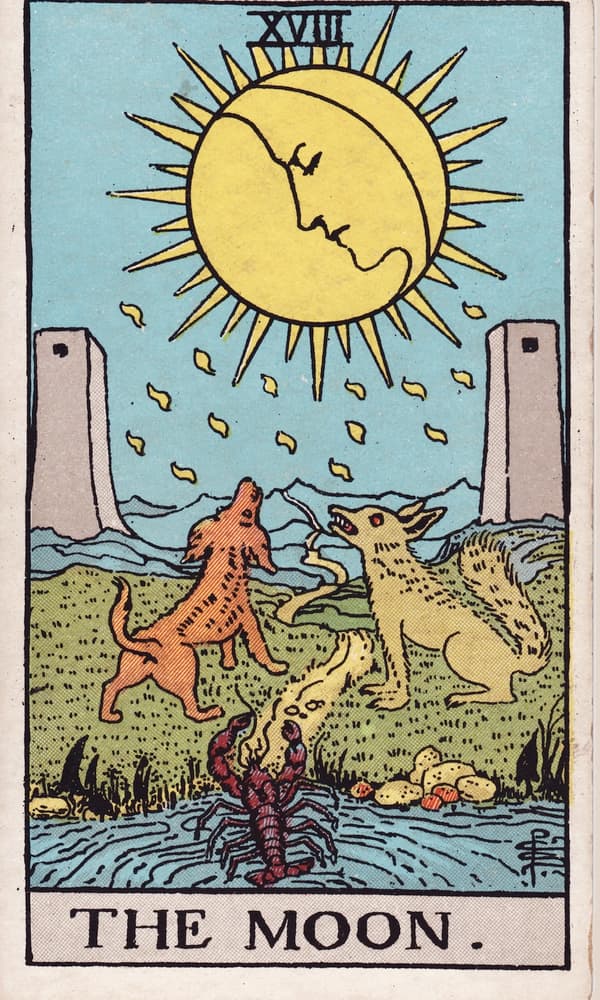
There are also the constellations: cards whose numbers reduce to the same digit, such as The Lovers (6) and The Devil (15), or The Hermit (9) and The Moon (18). They are read as two faces of the same theme, and it is the same sum used for birth cards.
The synthesis card: adding the two numbers
Add the numbers of the two cards. If the total is above 22, add its digits until you land between 1 and 22. The result points to a Major Arcanum, the synthesis card (or quintessence), which shows the underlying theme of the pair. The number 22 stands for The Fool.
An example: Death (13) and The Tower (16) add up to 29, and 2 + 9 = 11, Justice. The most feared pair in the deck rests on responsibility for one's own actions, which changes the conversation quite a bit.
The 22 Major Arcana, their elements and their leaning
The table gathers what you need to compare two cards: the number, the element and how each one leans in yes-or-no questions. Click a name to read the full meaning of the card.
A combination does not predict events or decide for you. Tarot is a tool for reflection: two cards help to name what is at stake and to see options that were out of sight.
No pair is a verdict, not even the ones that bring Death, The Devil or The Tower together. Those cards speak of endings, attachments and breaks that are part of any life. For matters of health, money or law, use the reading to think and talk to a qualified professional.
Frequently asked questions
What is a tarot card combination?
It is two tarot cards read together. Instead of adding two separate meanings, you look at the relationship between them: the order, the elements, the numbers and what one card changes in the other.
Does the order of the cards matter in a combination?
It does. The first card usually shows the starting point, and the second the direction or the outcome. The same pair in the opposite order tells a different story.
Is there such a thing as a bad combination in tarot?
No pair is a verdict. Some combinations are more demanding, speaking of endings, attachments or breaks, and they tend to be the most useful because they name what needs attention.
How do I work out the synthesis card of two cards?
Add the numbers of the two cards. If the total is above 22, add its digits until it falls between 1 and 22. The final number points to a Major Arcanum, and 22 stands for The Fool.
Do these combinations apply to the Minor Arcana?
The method works for any card: order, elements and numbers. The pages here cover the 231 pairs of the Major Arcana, and the combination guides deal with several pairs that include Minor Arcana.